

Blog
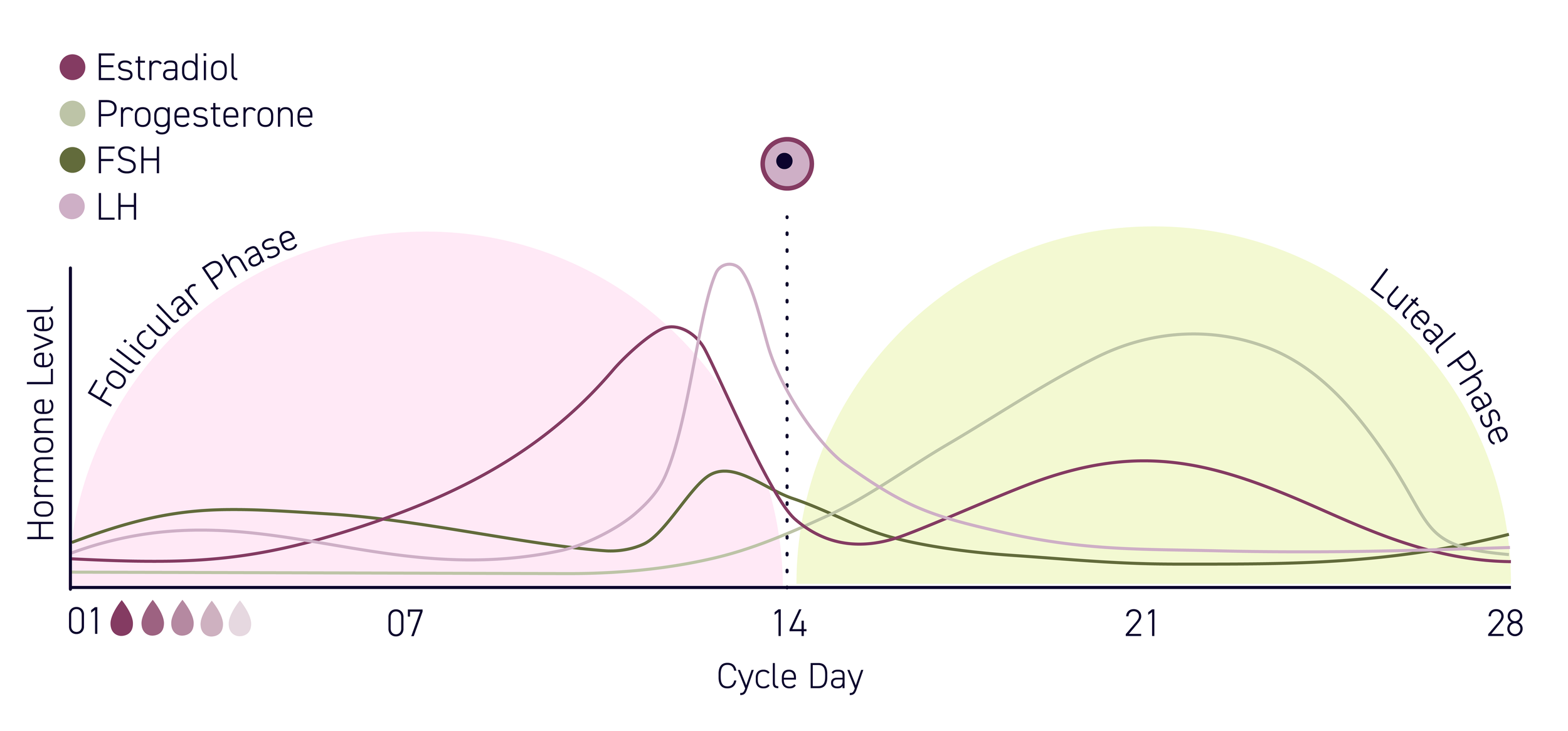
Do Sex Hormones Matter When It Comes to Your Performance? Here We Go Again
This blog revisits the question of whether sex hormones meaningfully impact sport performance and updates current evidence on the menstrual cycle and athletic training. While hormone fluctuations across the follicular, ovulatory, and luteal phases are real, emerging research continues to show that they do not consistently predict performance changes. Instead, individual symptoms—driven more strongly by energy availability, sleep, stress, training load, and overall health—play a larger role in how athletes feel and perform. The article provides updated, practical training recommendations across the menstrual cycle, emphasizing a flexible, symptom-informed approach rather than rigid phase-based rules.
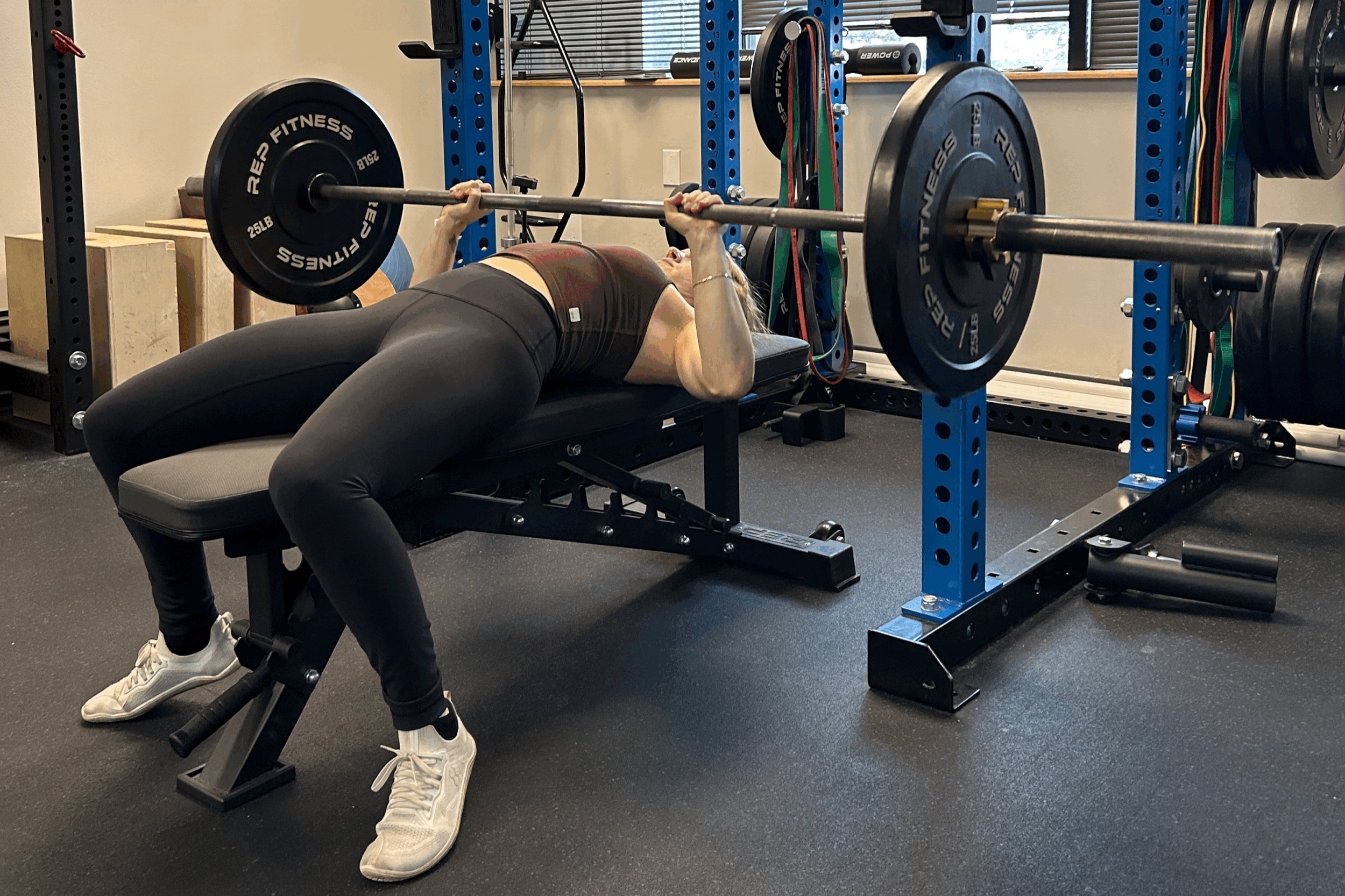
Unleash your Climbing Potential: The Power of Strength Training
I often hear climbers express concerns about strength training. They fear bulking up or wasting time in the weight room when they could be improving on the climbing wall. However, these concerns are baseless. To bulk up significantly, you would need to consume an excessive amount of food and engage in high-volume weightlifting. If you're also climbing regularly, it's highly unlikely you will achieve both.
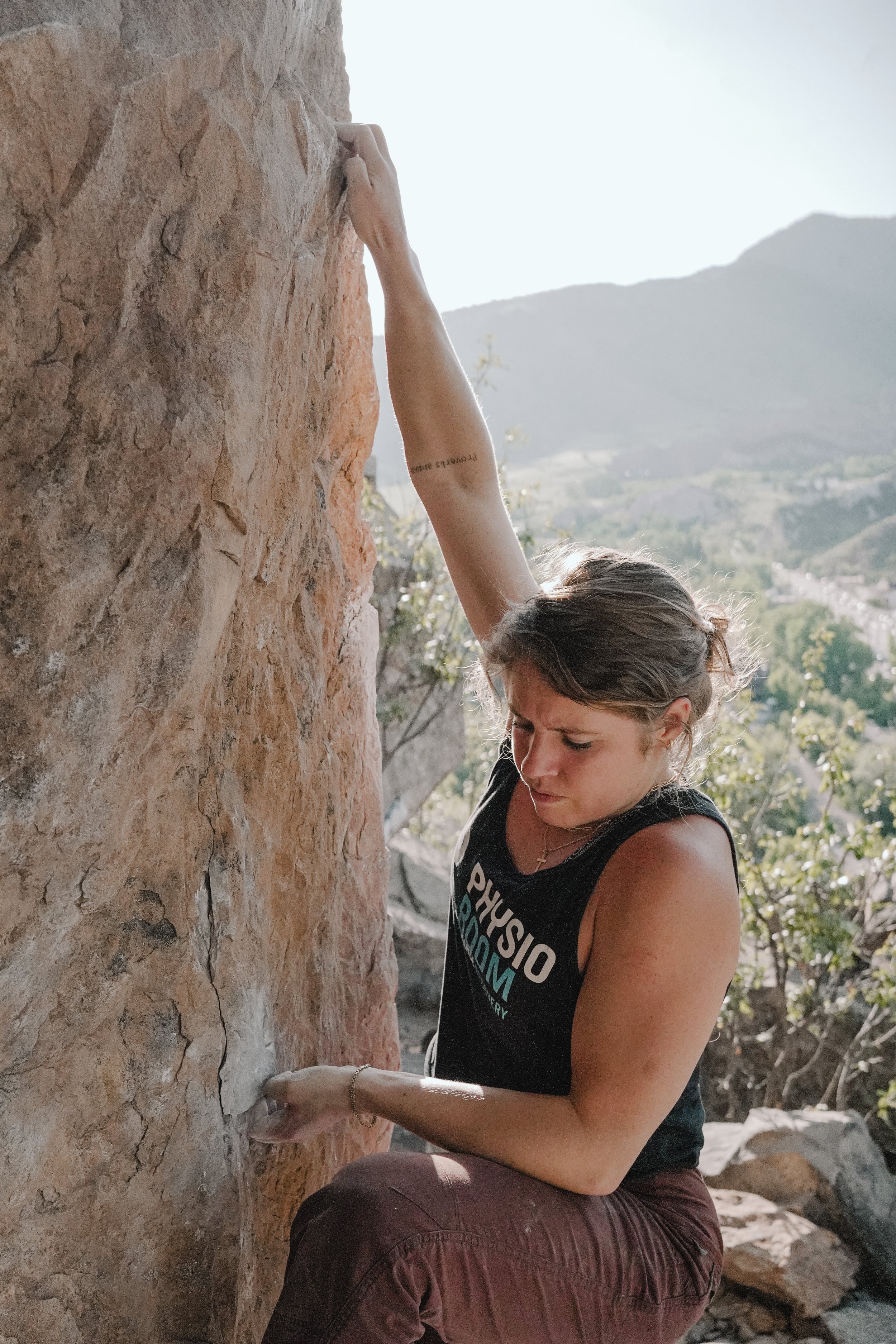
Crafting Your Ideal Warm-Up: A Guide for Every Climber
Is your warm up setting you up for success? Spending over an hour warming up or none at all? If you start on a V0 and progress to your redpoint grade, your warm up might need tailoring for your specific needs.
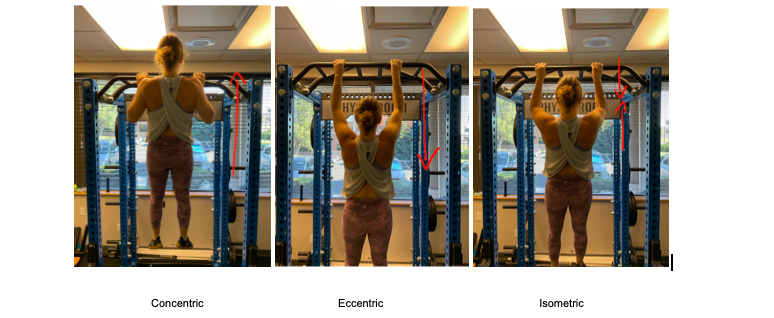
Breaking Down Concentric, Eccentric, and Isometric Muscle Contractions
Have you ever wondered about the intricate workings of your muscles during different exercises? Perhaps you've noticed that moving in one direction of a particular exercise feels easier compared to moving in the opposite direction. These differences in perceived effort can, in part, be attributed to the three types of muscle contractions: concentric, eccentric, and isometric. Understanding these contractions sheds light on why certain movements pose more challenges than others.