Prenatal, Postpartum and Orthopedic Physical Therapy and Coaching
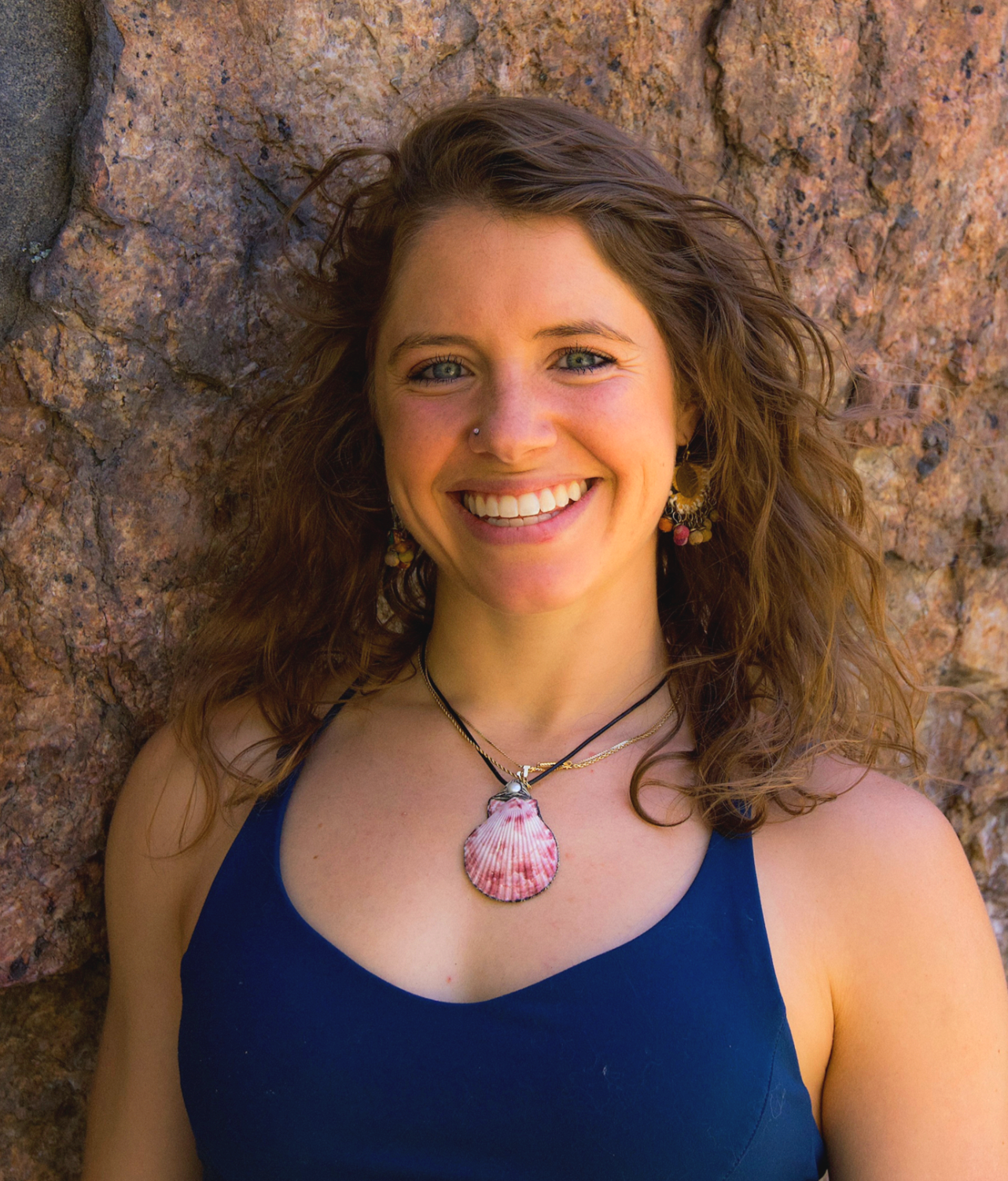
Flow: When your mind and body are fully immersed in your active pursuit resulting in peak performance.
-

I offer specialized in-person and virtual rehab for both orthopedic and pelvic health therapy. I focus on restoring and maintaining strength and mobility in the face of an injury. I also focus on building confidence while facing an injury so you can overcome it and reach your goals while continuing to participate in your activity or in everyday life.
-

Virtual Pregnancy and Postpartum Coaching
I support women through virtual prenatal and postpartum coaching. I help athletes maintain their strength and mobility during pregnancy and smoothly return to their sport postpartum. My approach is tailored to your unique journey, ensuring you stay safe, confident, and active.
-

Virtual Training for Climbers and Athletes
I offer virtual training for both climbers and outdoor athletes designed to help you improve technique, strength, and performance from anywhere. Whether you're recovering from injury or looking to enhance your skills, I provide personalized plans to support your goals.
Testimonials:
FAQs
-
Pelvic floor physical therapy looks at how your pelvic floor works with your breath, core, and all movement patterns. It’s not just about Kegels. My approach focuses on how you move, load, and generate strength — especially if you’re active, pregnant, postpartum, and/or an athlete. The goal is confidence, capacity, and returning to what you love without fear or symptoms.
-
Yes. Climbing places high demands on the core and pelvic floor through dynamic movement, tension, and breath control (just like any sport). Pelvic floor PT can help climbers with leaking, pelvic pain, core weakness, or performance limitations — and it’s also valuable for injury prevention, continuing to climb during pregnancy, and returning to climbing postpartum
-
Absolutely. The pelvic floor is part of your deep core system. If it’s not coordinating well, climbers may notice decreased power output, early fatigue, difficulty maintaining tension, or pain with harder efforts. Pelvic floor physical therapy helps restore coordination so strength and movement feel more efficient and reliable on the wall.
-
No. I work with climbers and athletes of all genders and life stages. While pelvic floor PT is incredibly helpful during pregnancy and postpartum, it’s also beneficial for anyone dealing with pelvic pain, core dysfunction, hip or back pain, or performance plateaus related to pressure management and movement.
-
For many people, yes — with appropriate modifications. Pregnancy changes balance, joint mobility, breathing mechanics, and pelvic floor demands. Working with a pelvic floor PT who understands your sports demands can help you continue participating while supporting your pelvic floor, strength, and confidence as your body changes.
-
There’s no universal timeline. Return to any physical activity depends on healing, symptoms, strength, and how your pelvic floor responds to load. Pelvic floor physical therapy helps guide a gradual, sport-specific return so you can rebuild strength and confidence without pushing too fast or guessing your way back.
-
Yes. Symptoms like leaking, heaviness, pain, or pressure are common — but they’re not something you have to “just live with.” Pelvic floor PT focuses on strength, coordination, breathing, and load management to reduce symptoms and help you move with confidence in daily life and sport.
-
Absolutely. Many of my clients are athletes who want to move better, feel stronger, or get past persistent issues that haven’t responded to traditional rehab. I work with rehabilitating muscles, tendons, ligaments, and bones throughout the entire body!
-
Sessions focus on your goals, movement, symptoms, and how your body handles load. We look at breathing, strength, mobility, and climbing- or sport-specific patterns. Internal exams are never required and only used if appropriate and consented to. We use Ultrasound for real-time feedback on pelvic floor function. Everything is individualized and collaborative.
-
No. Internal exams are one tool — not a requirement. Many people make excellent progress without them. We’ll always discuss options, respect boundaries, and choose the approach that best supports your goals, comfort, and symptoms.
-
Yes. Virtual sessions are a great option for individuals who want expert guidance but don’t need or want in-person care. Virtual services include movement assessment, symptom management, sport-specific programming, and progressive return-to-sport guidance — all tailored to you.
-
No referral is needed. Flow State Physical Therapy is a cash-based practice, which allows for longer sessions, individualized care, and flexibility in treatment. Many clients choose this model because it prioritizes quality, education, and long-term results.
Connect on Instagram @dr.juliana_merighi